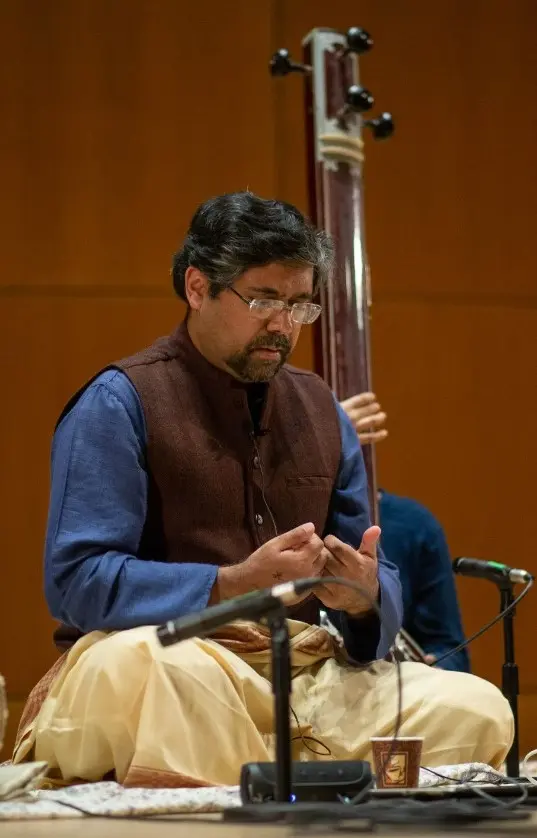
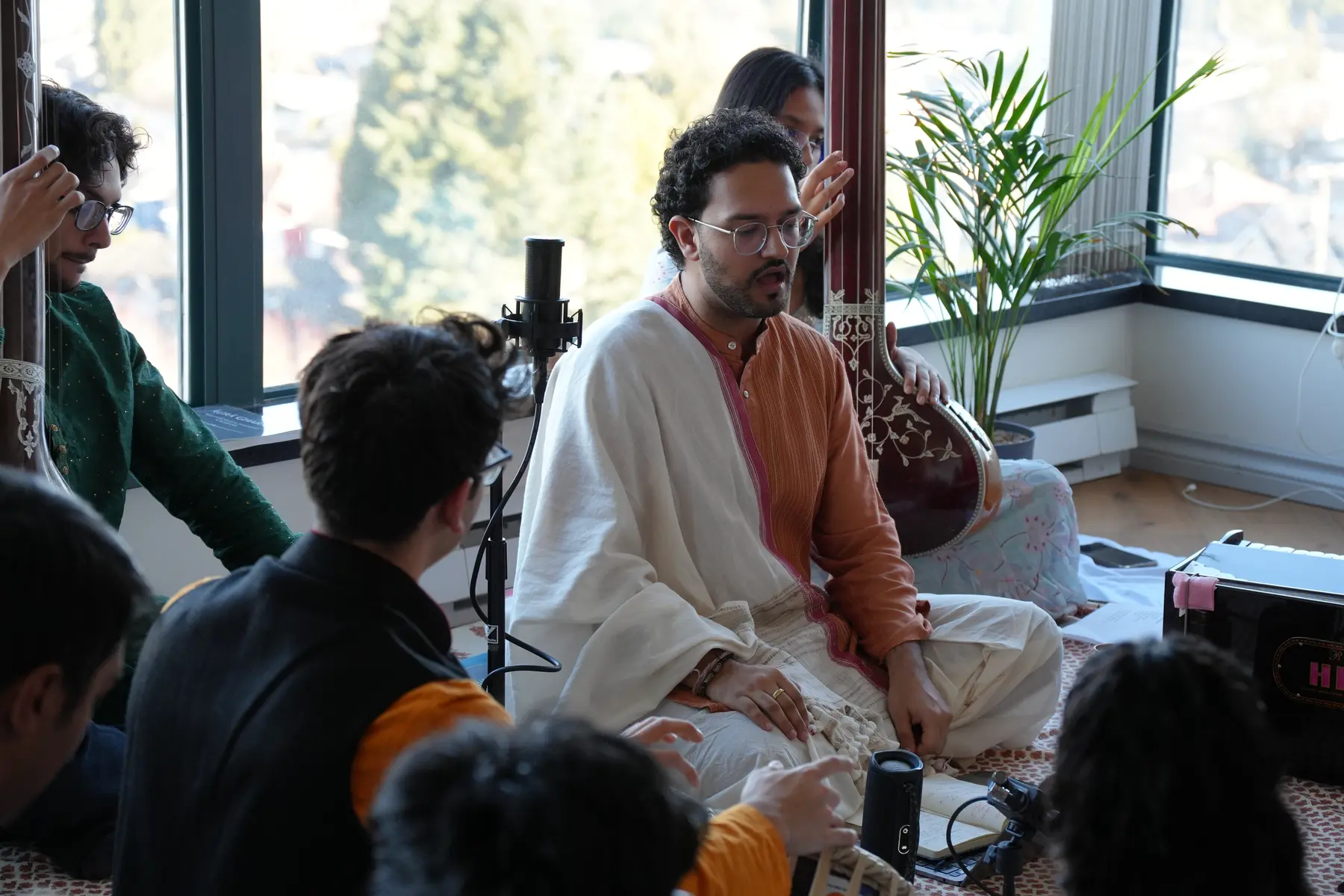
SIMA exists to cultivate musicians, listeners, teachers, scholars, and students—and the lasting relationships through which a tradition remains alive.
01 · History
From Seattle to the world
SIMA began in 2006 as the Seattle Indian Music Academy, with a broad curriculum that placed Hindustani music in conversation with other artistic forms.
From the beginning, the organization joined teaching with presentation. Concerts, lecture-demonstrations, and workshops brought students into direct contact with visiting artists, many of them among India’s leading practitioners. SIMA also introduced Aṣṭaprahar, a continuous twenty-four-hour cycle in which invited artists presented different art forms across the changing hours of the day and night.
In 2013, the organization moved to State College and became the Society for Indian Music and Arts. Its relationship with the local community deepened, and its pedagogy grew more detailed and systematic. A tiered course of study emerged: Saṅgīt Praveśikā, Saṅgīt Mādhyamik, and Saṅgīt Pāṅḍitya.
SIMA continues to host concerts and encounters with visiting artists. Its central mission is now the patient work of helping students and communities grow music where they live.
From the archive
The Seattle years
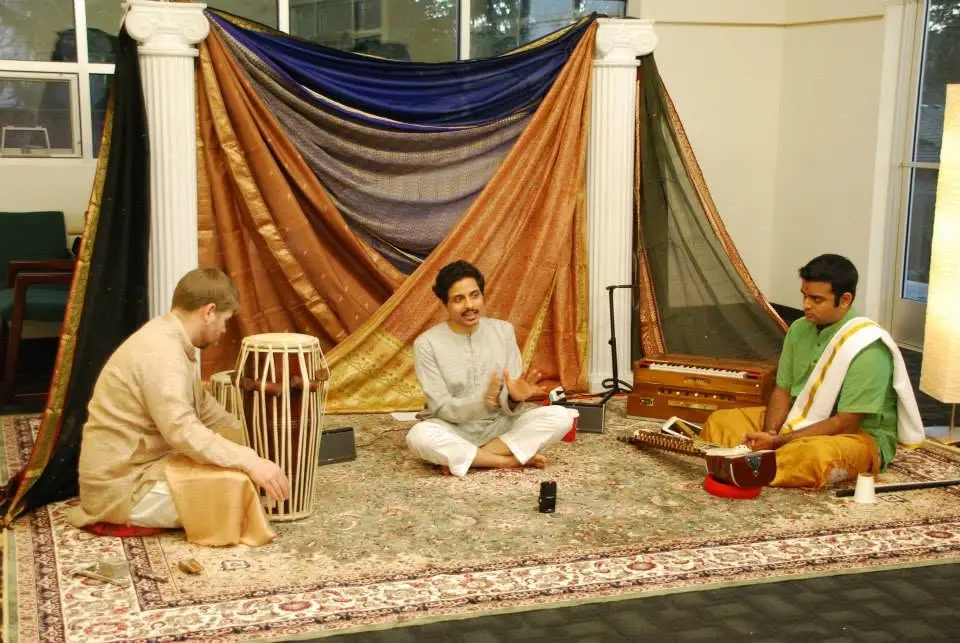
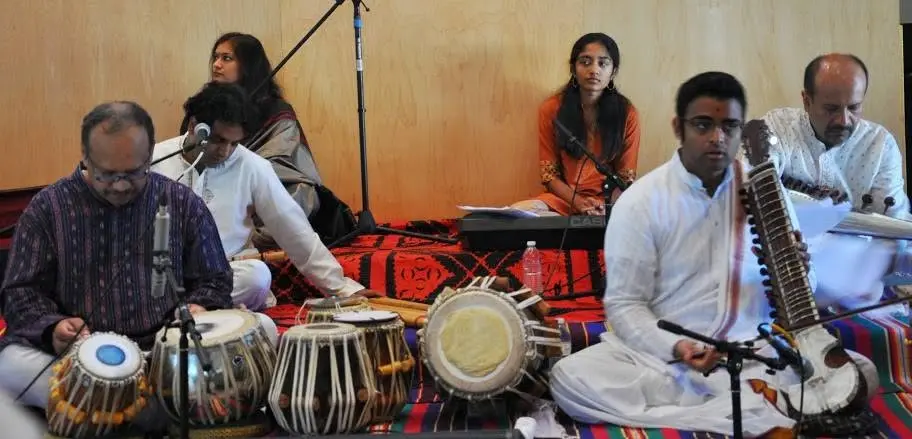
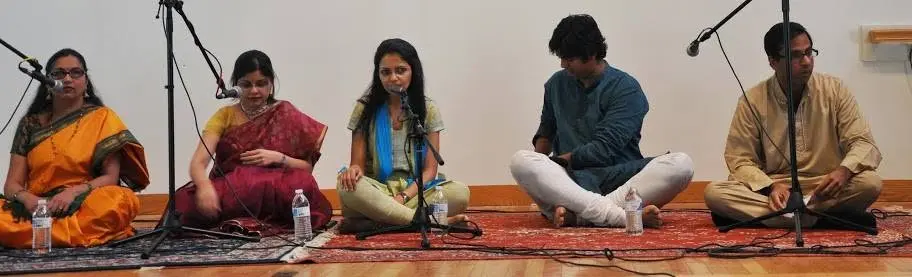
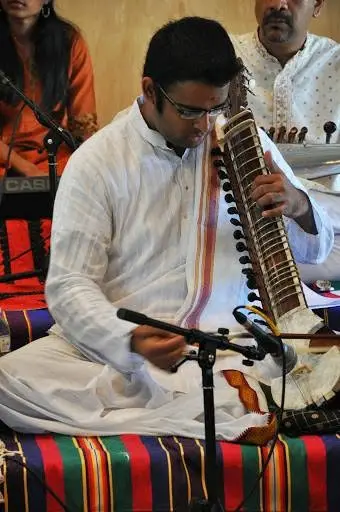
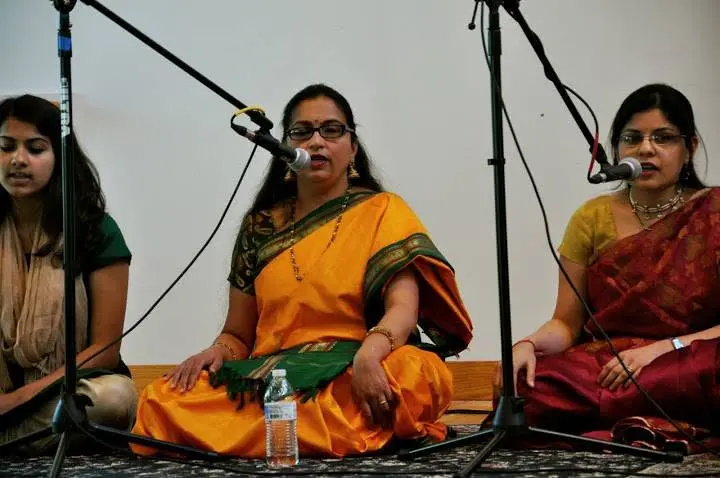
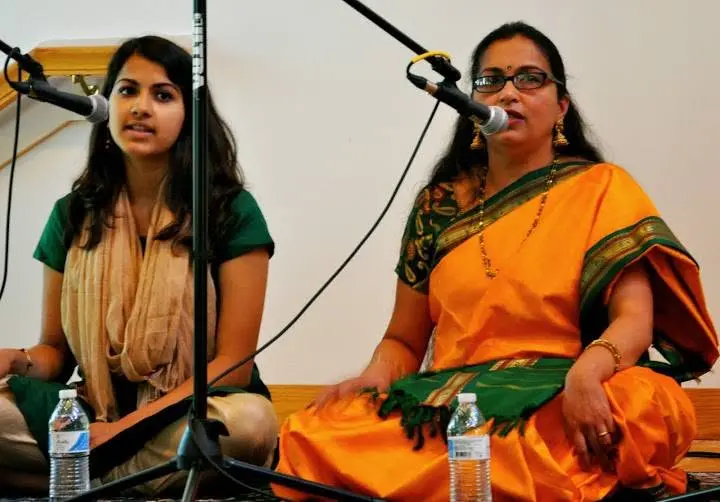
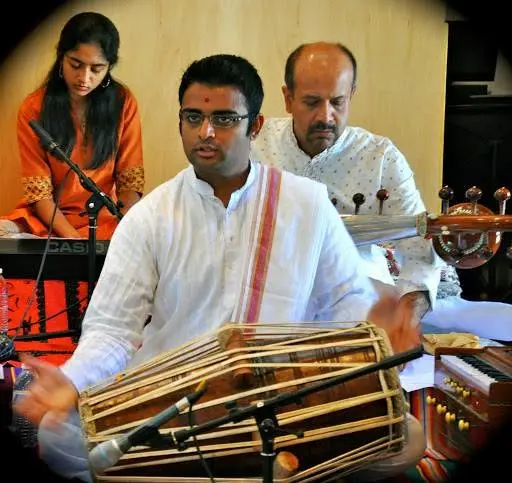
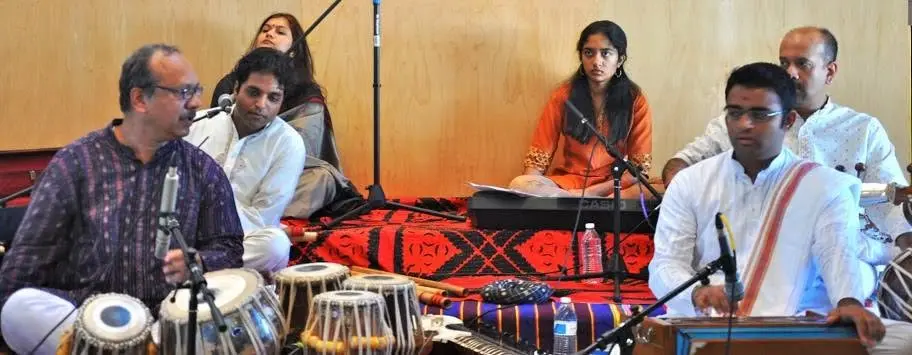
Scenes from the Seattle Indian Music Academy: performance, teaching, and a community learning to listen together.
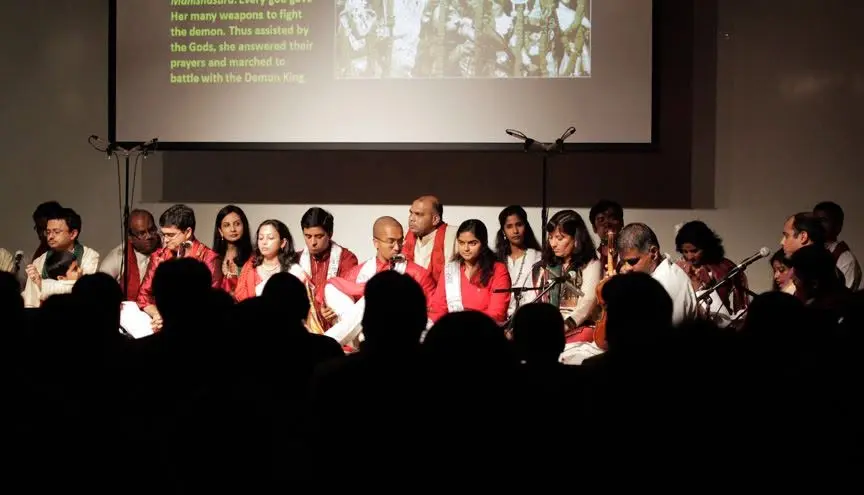
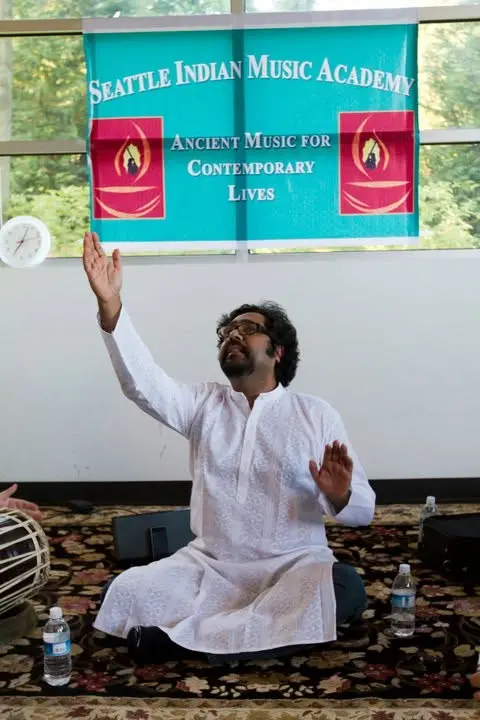
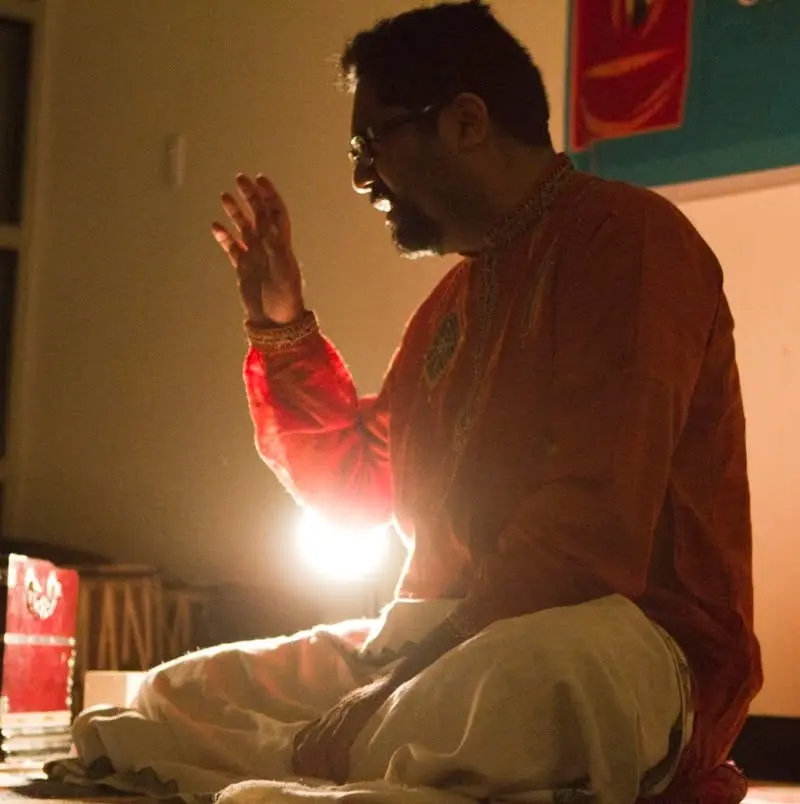
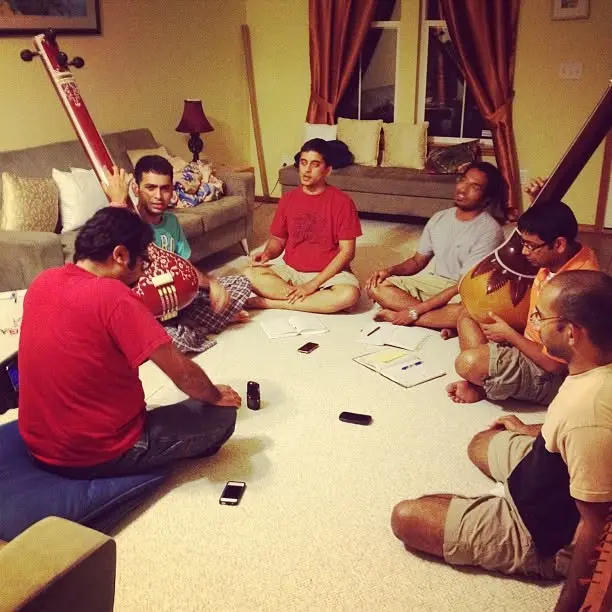
An ensemble presentation of Mahishasura Mardini (2011) by SIMA's students.Arijit Mahalanabis performing at Ashta Prahar in Seattle.In performance during the Seattle years.Teaching in the Seattle years: an intimate group lesson in the guru's home.
A student milestone
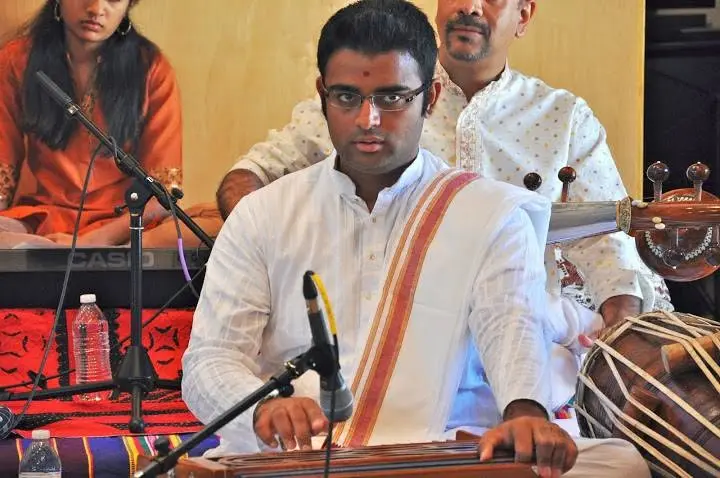
SIMA’s first Praveśikā recital
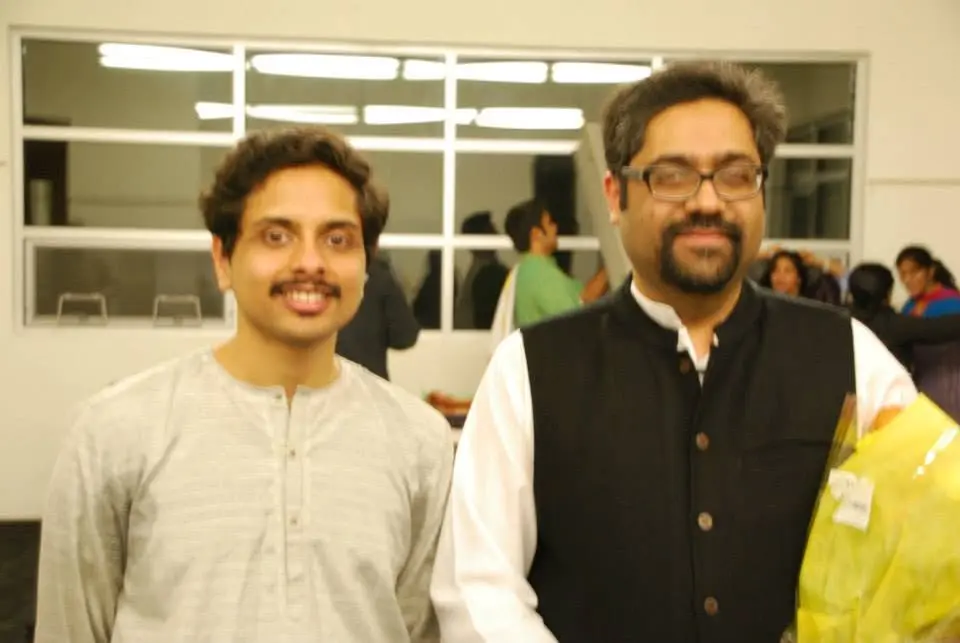
Varun Narasimhachar became the first SIMA student to present a Saṅgīt Praveśikā recital—an early expression of the school’s developing curriculum and the musical independence it sought to cultivate.
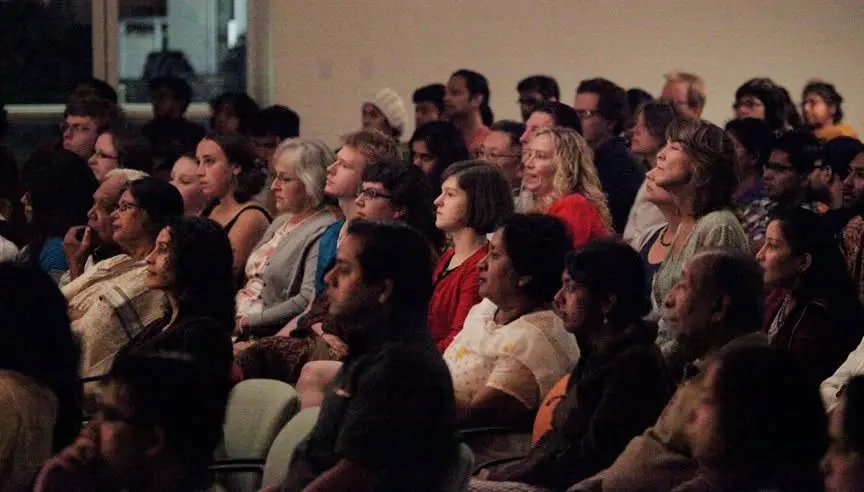
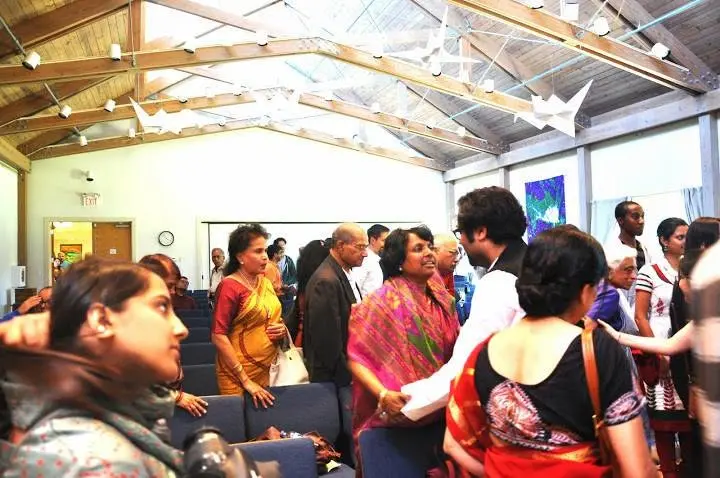
Varun Narasimhachar’s Saṅgīt Praveśikā recital, the first presented by a SIMA student.Varun Narasimhachar with his guru, Arijit Mahalanabis.An audience gathered for a SIMA presentation.
The State College years · September 2013
Nāyikā
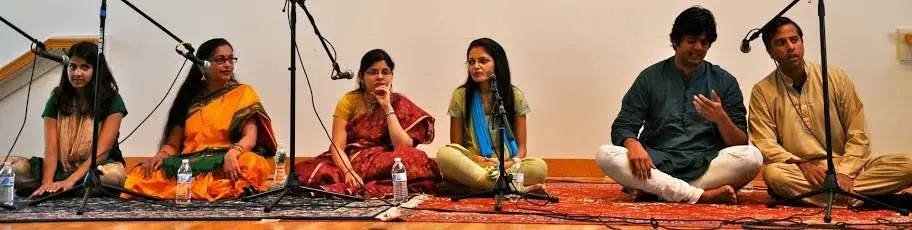
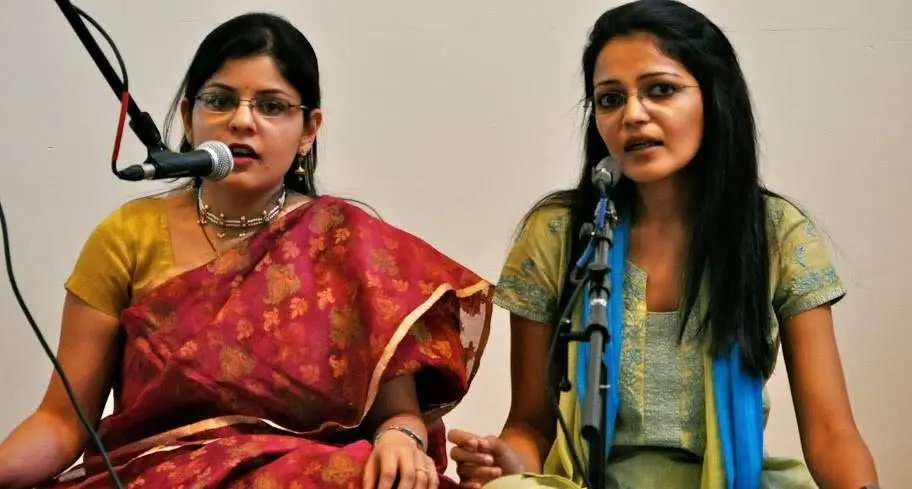
SIMA’s first production in State College brought vocalists and instrumentalists together in September 2013.
Scenes from Nāyikā, SIMA’s first State College production, September 2013.
The State College years · February 2014
Music in the community
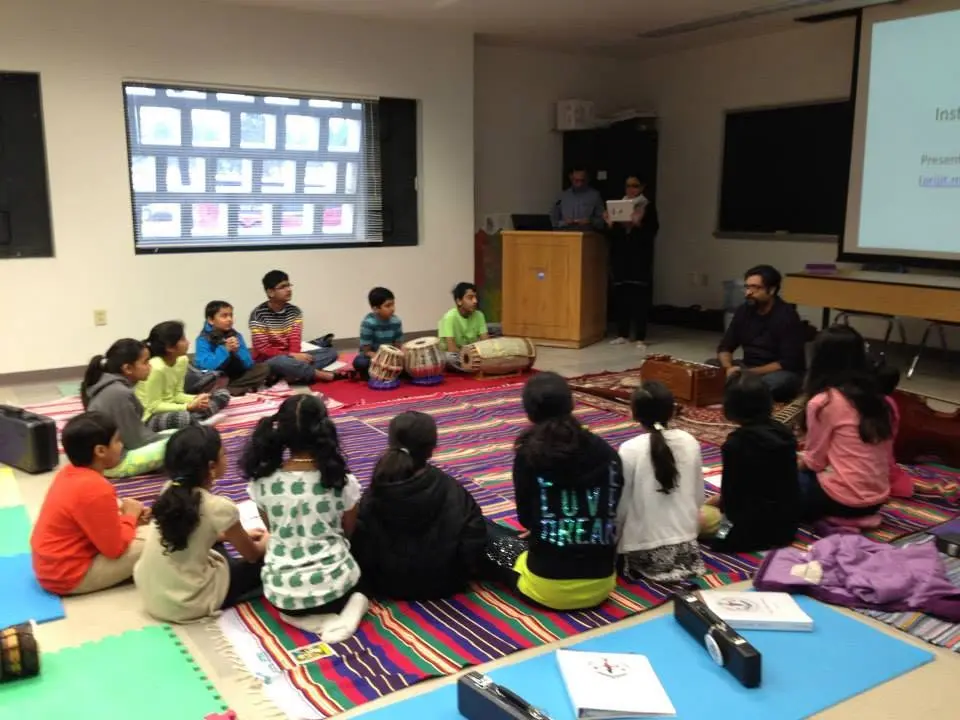
One of SIMA’s first engagements after relocating to State College was an Indian Culture Class introducing local children to Indian musical instruments.
Indian Culture Class: a session on Indian musical instruments for local children in State College, February 2014.
SIMA’s approach to artistic development rests on three connected principles.
One
Tradition requires an ecosystem
Performers create meaningful aesthetic experience. Audiences range from new listeners to serious connoisseurs. Teachers and scholars perform, transmit principles, and educate audiences. Students grow into every one of these roles through regular interaction with teachers. SIMA serves this ecology through classes, concerts, workshops, productions, scholarship, and community life.
Two
The arts are avenues of self-discovery
Like Sanskrit, Ayurveda, Yoga, Prāṇāyāma, meditation, and South Asian martial traditions, Indian music can connect the individual to an interior life. Musical education therefore attends to the person behind the performance. This inward path also unfolds in society, within a community of artists, creators, listeners, and educators.
Three
Breadth deepens understanding
SIMA encourages cross-training across genres and instruments. Vocalists and instrumentalists encounter Dhrupad, Khayal, and Thumri repertoire and technique, with room to explore more than one musical interest. Breadth becomes a means of developing a more informed and versatile musician.
03 · About the founder
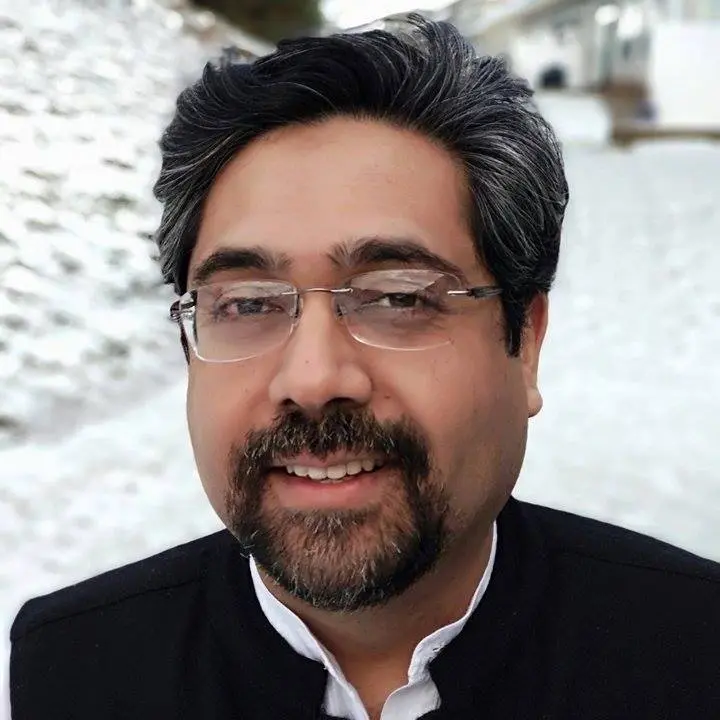
Arijit Mahalanabis
Hindustani musician, teacher, musicologist, composer, translator, and founder of SIMA.
Arijit Mahalanabis’s work has been shaped by an unusually broad range of traditions, encompassing Dhrupad, Khayal, Thumri, Tappa, and sustained engagement with Carnatic music.
His principal teacher was Smt. Shantha Benegal, a disciple of Ustad Zia Mohiuddin Dagar, Ustad Yunus Hussain Khan, and Pt. Murali Manohar Shukla. Through her, he inherited Dhrupad from the Dagarbani and Agra traditions, Khayal repertoire from the Agra and Kunwar Shyam Gharanas, and a wide body of light-classical compositions. He also received guidance from Pta. Neela Bhagwat of the Gwalior Gharana and Pt. Arun Dravid of the Jaipur-Atrauli Gharana. His early training was with Smt. Shahana Banerjee, an All India Radio artist in Delhi.
When his family moved to the United States, Hindustani teachers were scarce in the places they lived. His mother, Smt. Sukla Mahalanobis, encouraged him to continue his study. In State College during the 1990s, musicians associated with RAAGA introduced him more deeply to Carnatic music.
Teaching and curriculum
Teaching gradually became the center of Arijit’s musical life. He developed a systematic pedagogy and graded curriculum for Hindustani music. Saṅgīt Praveśikā integrates rāga, tāla, composition, technique, musical literature, and improvisational practice. Varun Narasimhachar, Kishan Patel, Akhil Jobanputra, and Rishi Bhattacharyya have completed the Praveśikā curriculum under his guidance.
Arijit subsequently developed Saṅgīt Mādhyamik and Saṅgīt Pāṅḍitya. Akhil Jobanputra is the first student to have completed the Mādhyamik course. Today, his work centers on teaching, scholarship, curriculum development, and cultivating the next generation of musicians.
Translation and scholarship
With Kishan Patel, Arijit translated Mārīf-ul Naghmāt, a collection of Dhrupad and Dhamār compositions associated with the Rampur court and first published in 1913. He also translated Prof. Ramanlal Mehta’s Agra Gharana: Tradition, Musical Philosophy, and Repertoire. His unpublished translations include the first volume of Pt. Ramashray Jha’s Abhinav Gītāñjalī.
He guided Dr. Suparno Bhattacharya in translating selections from Pt. Ramprasanna Bandyopadhyay’s Saṅgīt Mañjarī and is working on a translation of Pt. Gopeshwar Bandyopadhyay’s Saṅgīt Candrikā. These projects bring historical repertoire, pedagogy, and musicology into conversation with contemporary practice.
Arijit conceived and produced Nāyikā (Seattle, 2009; State College, 2013), Mahishasura Mardini (Seattle, 2011), Kahat Hai Sāñjhraṅg (State College, 2014), Rituchakra (State College, 2021), and Bhanusingher Padabali (State College and Harrisburg, 2025).
He has performed widely in North America for presenters including Ragamala, Pratidhwani, Town Hall Seattle, the University of Washington Ethnomusicology Program, Cornish College of the Arts, People for Progress in India, the Indian Classical Music Society of Vancouver, Dhvani, the Sangati Center, and Chhandayan, as well as in intimate baiṭhaks.
His appearances in India include the ITC Sangeet Research Academy in Kolkata, Dhrupadi in Santiniketan, India International Centre in Delhi, Svarit in Bangalore, and Musiri House and Brhaddhvani in Chennai.
Lectures and musical education
Arijit is a sought-after lecturer on the history, aesthetics, and musical structures of Dhrupad and Dhamār. He has served as a visiting artist at the University of Washington’s Ethnomusicology Program, an adjunct professor at The Evergreen State College, and a scholar-in-residence at Brhaddhvani.
His lecture engagements include the Indian Institute of Science in Bangalore and Durham University in the United Kingdom.
Composition
Arijit has composed several hundred bandiś under the nom de plume Sāñjhraṅg, across a wide range of rāgas, tālas, forms, and poetic themes. Many have entered the active repertoire of his students and the wider SIMA community. This work shares the central impulse of his teaching and scholarship: to engage inherited forms creatively while allowing them to remain living and generative.
Leadership and faculty
A living tradition carried forward.
Meet SIMA’s Founder-Director and Associate Faculty together on a single page, where teaching lineage, institutional leadership, and individual musical practice form one continuous story.