I
Saṅgīt Praveśikā
A six-level course from musical fundamentals to performance proficiency. Students integrate rāga, tāla, composition, technique, literature, and improvisation through Khayāl, Dhrupad, and allied forms.
 SIMASociety for Indian Music and Arts
Learn with SIMA
Students grow through repertoire, technique, listening, scholarship, improvisation, and performance—within a close relationship with their teachers and musical community.
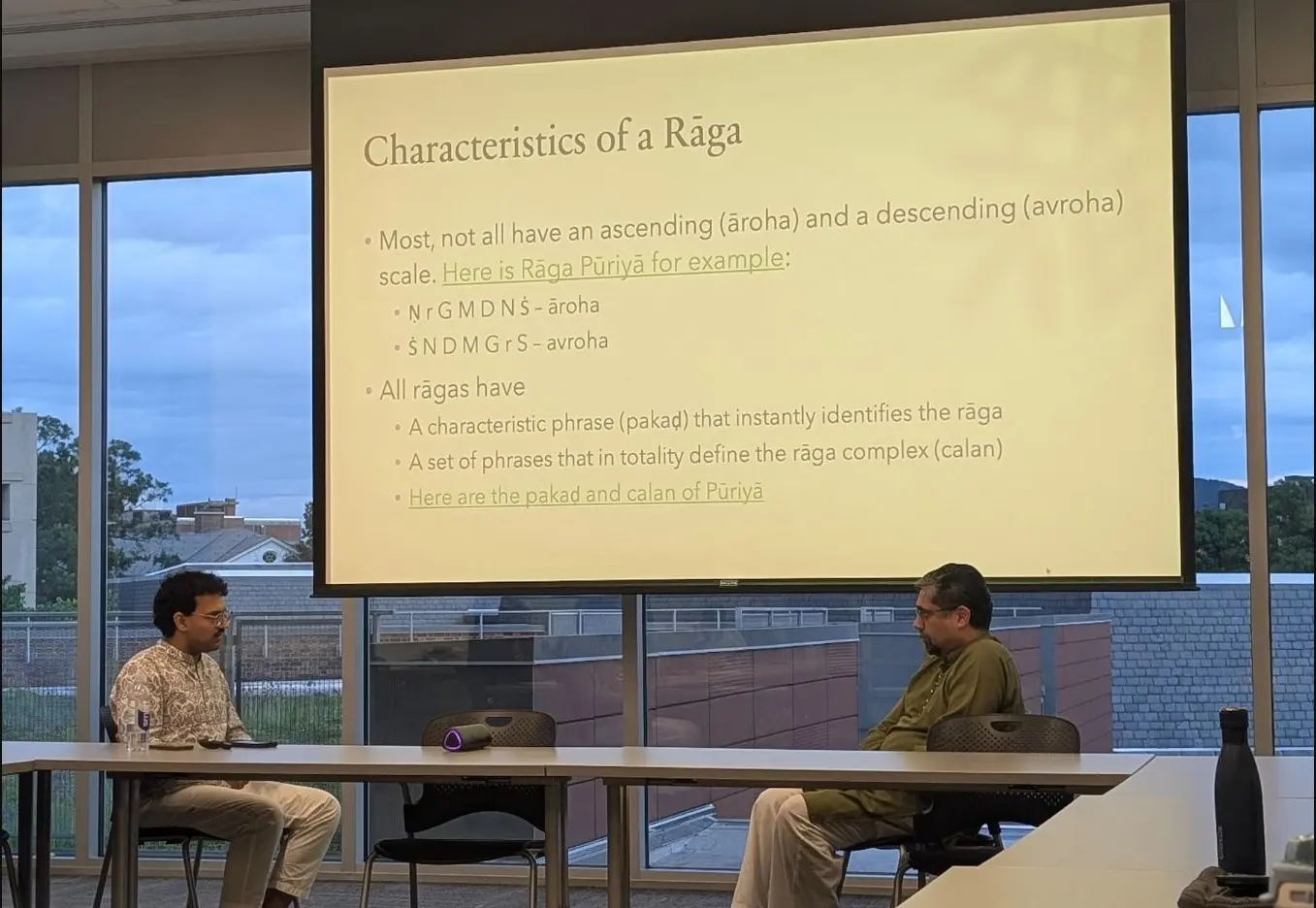
The curriculum
A graded path through Hindustani music, developed through years of teaching and close observation of how students mature.
I
A six-level course from musical fundamentals to performance proficiency. Students integrate rāga, tāla, composition, technique, literature, and improvisation through Khayāl, Dhrupad, and allied forms.
II
Deeper study of musical structure and artistic freedom through improvisation, composition, language, and introductory research.
III
Advanced work in repertoire, history, technique, sight-reading, improvisation, pedagogy, epistemology, and original research across major forms and genres.
Teaching at SIMA
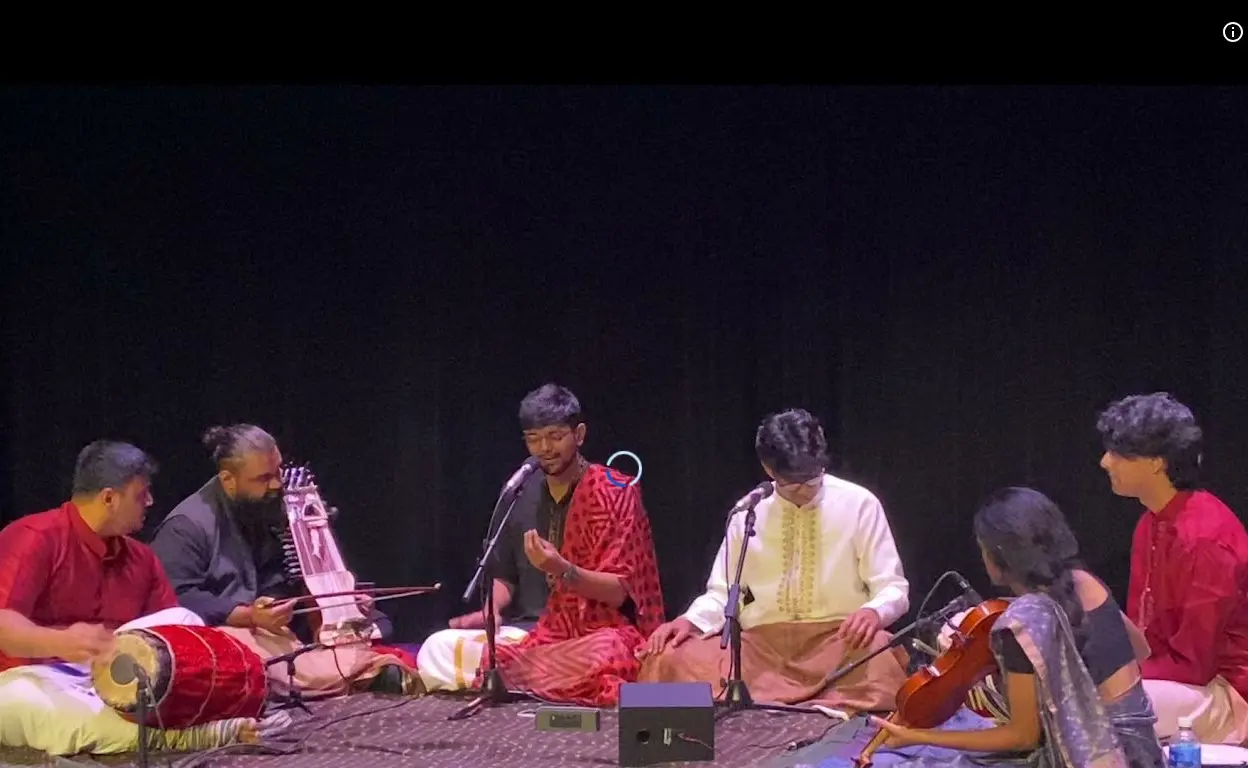
SIMA’s teaching brings students together in an intimate setting where listening, demonstration, discussion, and collective practice are woven into the study of music.
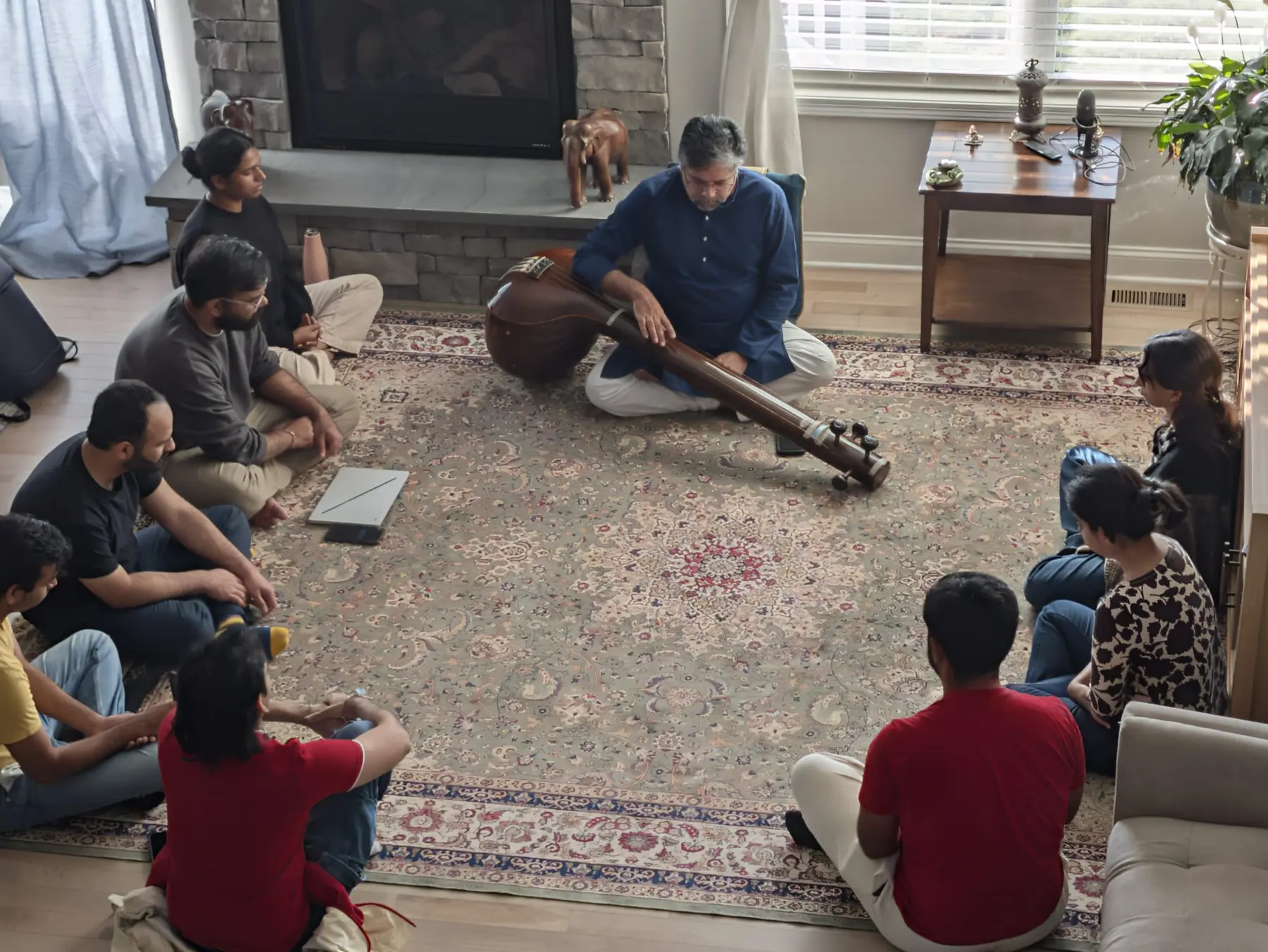
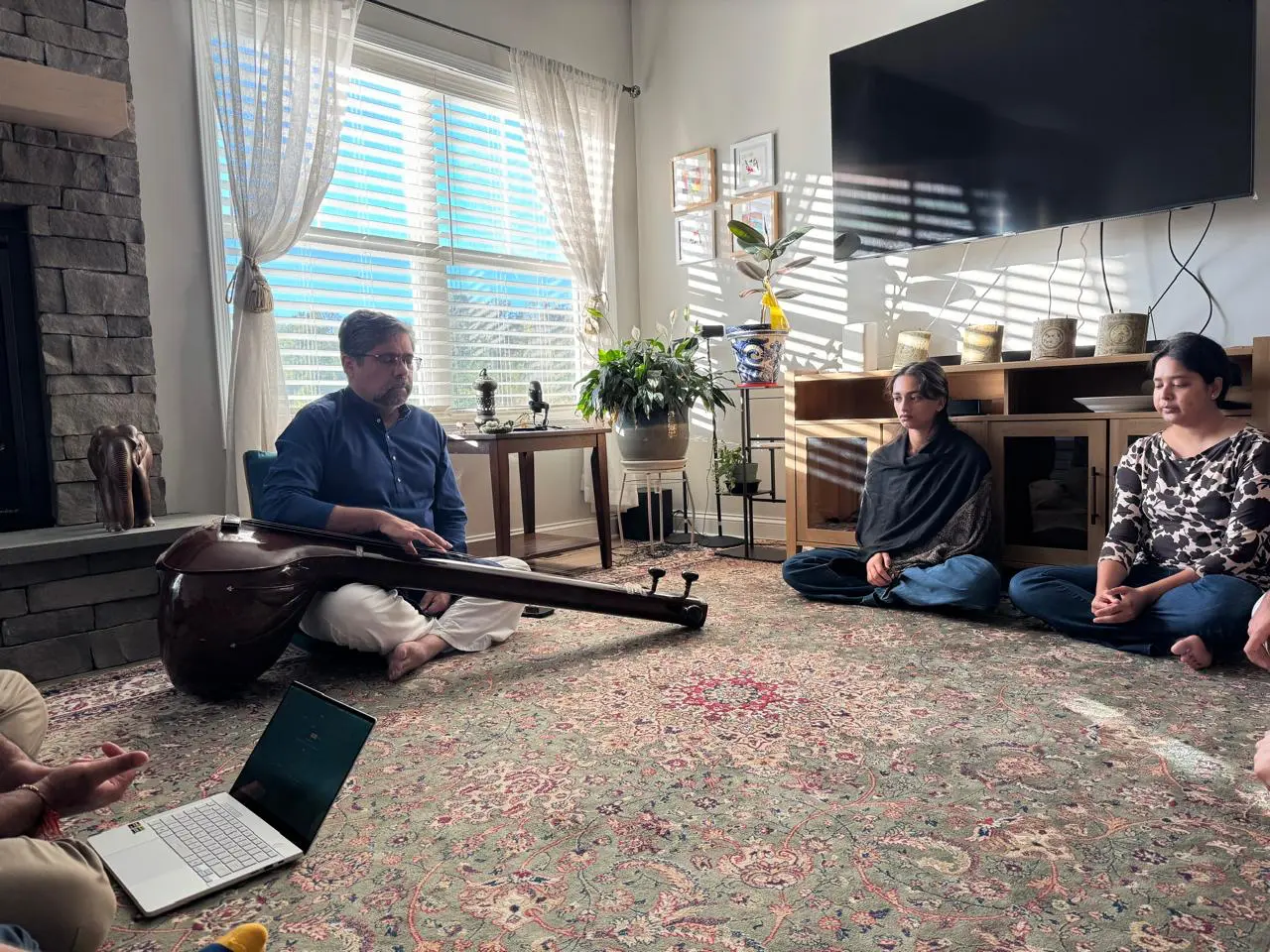
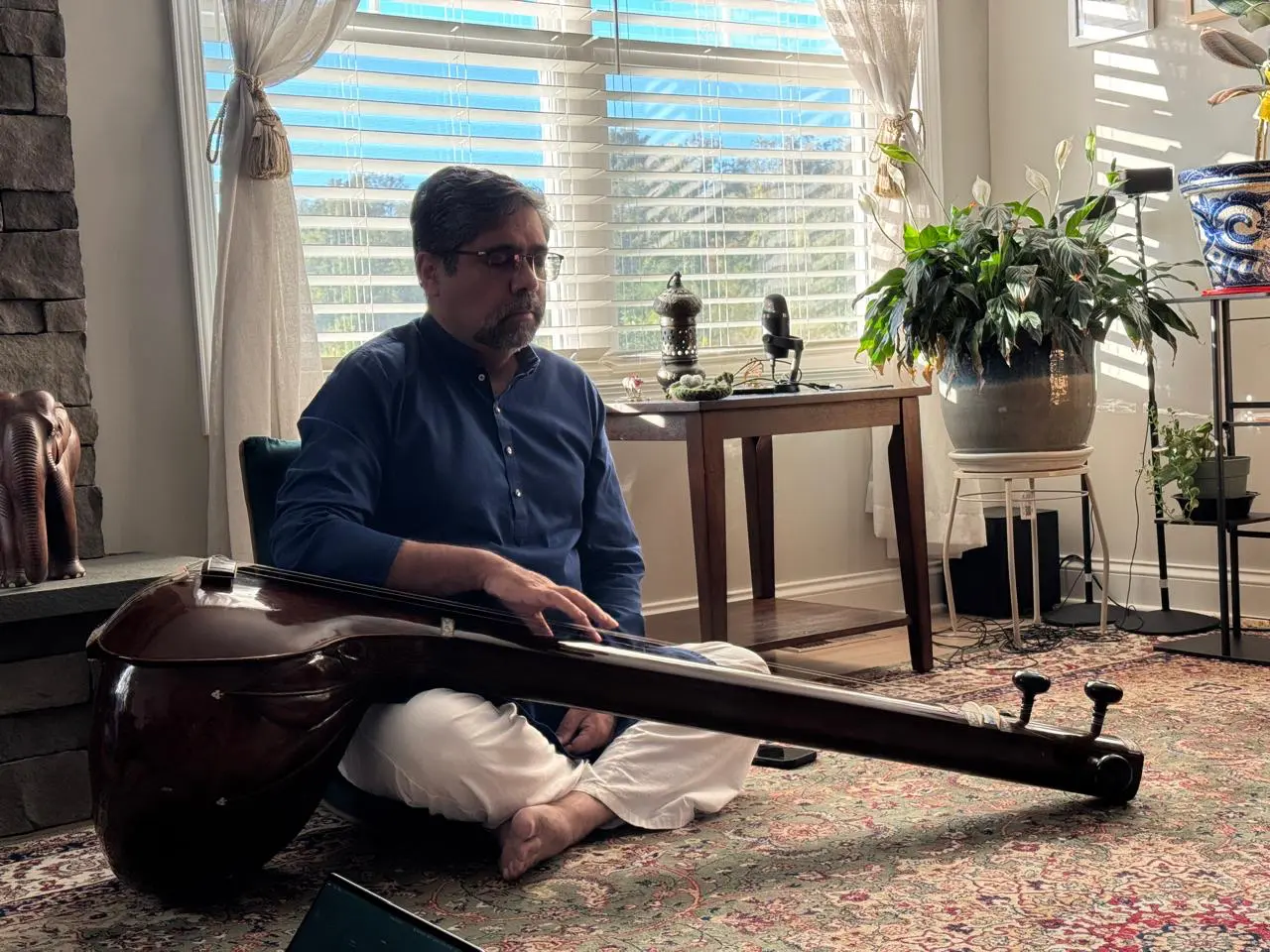
Learning in practice
Study moves continually between attentive listening, disciplined practice, intellectual inquiry, and public performance.
What we teach
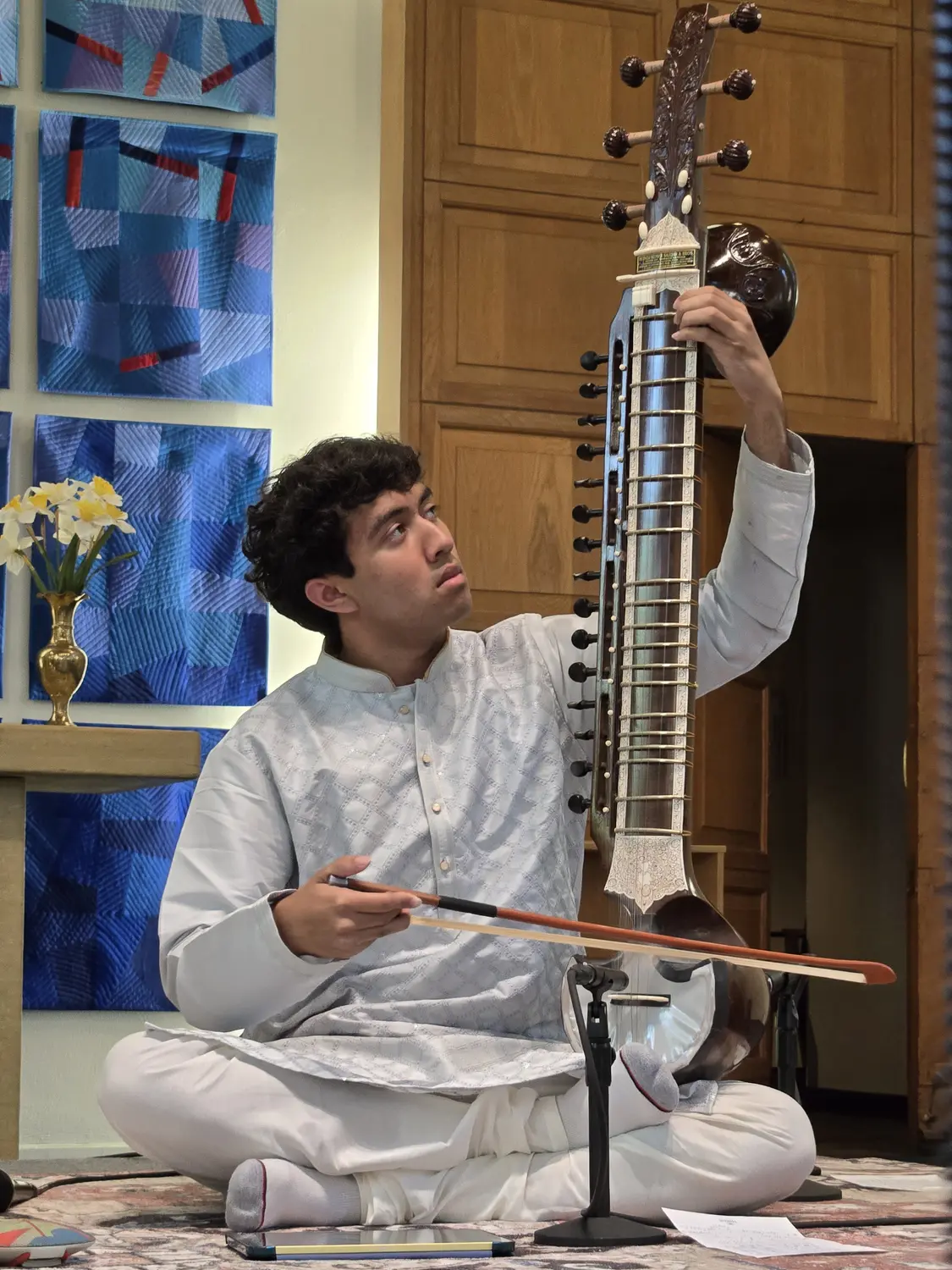
Instruction is offered in voice, theory, sitar, surbahar, esraj, bansuri, harmonium, tabla, and pakhawaj. Advanced instrumentalists may also study Hindustani music on their own instrument. Cross-training is central to SIMA’s pedagogy: musical understanding grows through contact with more than one form, genre, or instrument.
Ask about learning with SIMA ↗